
Long ago, in the heart of the Indian Ocean, a teardrop-shaped island lay cradled by the waves—a land of emerald forests, golden shores, and ancient wonders. This was Sri Lanka, once known as Ceylon, now proudly bearing the name the Democratic Socialist Republic of Sri Lanka.
Nestled in South Asia, the island sat just beyond the Indian peninsula, separated by the shimmering waters of the Gulf of Mannar and the narrow Palk Strait. To the southwest, across the vast ocean, lay the Maldives, its closest maritime neighbor, while India stretched to the northwest, its silhouette faintly visible on the horizon.
For centuries, Sri Lanka had been a crossroads of cultures, a land where traders, travelers, and storytellers from distant shores found refuge. Its shores whispered tales of ancient kings, legendary battles, and sacred relics, making it not just an island, but a world of its own—one where history and nature danced together in an unbroken rhythm.
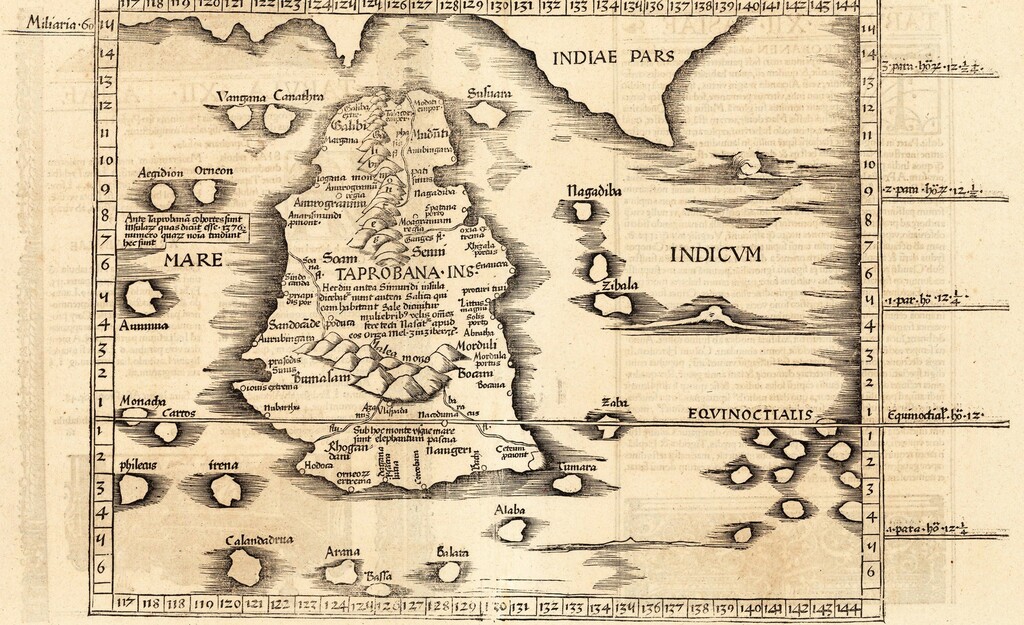
Through the mists of time, Sri Lanka’s story unfolds—a saga stretching back over 3,000 years, with echoes of human footsteps tracing its lands as far as 125,000 years into the past. Long before written words captured its essence, the island had been home to ancient civilizations, their secrets buried beneath its lush jungles and rolling plains.
In the sacred halls of memory, the wisdom of the Buddha took root. The earliest known Buddhist scriptures of Sri Lanka, the revered Pali Canon, were inscribed during the Fourth Buddhist Council in 29 BCE. These teachings, etched onto palm leaves, would become a guiding light, shaping the island’s spiritual and cultural identity for generations to come.
Over the centuries, travelers and traders alike whispered its many names—the **Pearl of the Indian Ocean**, a jewel shimmering amidst azure waves, and the **Granary of the East**, its fertile lands yielding harvests that fed distant empires. But beyond its beauty and bounty, Sri Lanka’s location made it a gateway, a bridge between worlds. From the days when silk-laden caravans followed the ancient Silk Road to the modern corridors of maritime trade, its deep harbors and strategic shores have drawn the eyes of kings, conquerors, and merchants alike.
And so, Sri Lanka remains—an island where history does not sleep, but breathes, woven into every grain of sand and every ripple of the tide.
Amidst the legends and titles bestowed upon this island, a name emerged—**Induratna**, a tribute to Sri Lanka’s enduring identity as the **Pearl of the Indian Ocean**. More than just a name, it carried the essence of the island’s role in the vast, shifting tides of history.
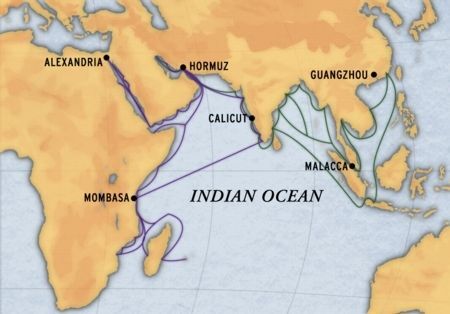
For centuries, Sri Lanka stood as a silent sentinel in the heart of the Indian Ocean, a vital crossroads where merchant fleets and warships alike paused on their journeys between East and West. Its central location made it a keystone in the great maritime corridor, a place where cultures met, goods were exchanged, and destinies were shaped.
In the modern age, this island’s significance has only grown. With the rise of new global currents, Sri Lanka became a focal point once more, drawing the attention of powerful nations. In 2013, when it aligned with China’s **Belt & Road Initiative (BRI)** and its earlier projects, the island found itself once again at the heart of global commerce and security. As new alliances formed and ancient trade winds shifted, Sri Lanka remained what it had always been—a pearl, luminous and unyielding, resting in the embrace of an ocean that has carried its fate for millennia.
Senior Management Team:-
Our Senior Management Team is a amount for more than cumulative years of 265 years and also a combination of many diversified fields. Ranging from Finance, Investment Banking, International Civil Servant, Public Policy, Tax , Foreign Relations, Architecture, Medicine, Civil Engineering.Corporate consulting is a professional service designed to assist businesses in developing or achieving goals that lead to success. Corporate consultants offer a wide range of services that include evaluating an existing process or structure, fine tuning some or many aspects of the company’s operation, and offering practical training to key people within the corporate structure. Corporate consulting can be focused on specific areas of a business or address the overall function of the company.
Corporate consulting has to do with developing the skill sets of a management team. Within this application, corporate consultants assist officers of a corporation to understand their roles within the structure of the business in more detail, and offer practical advice on how to maximize their effectiveness for the good of the company as well as to the benefit of the individual.
Corporate consulting may also address the efficiency and cohesion of a particular section or department of a corporation. For example, if a company wishes to restructure the financial process within the organization, a corporate consultant with a background in financial accounting may be called in to evaluate and restructure the Accounts Payable and Accounts Receivable components of the accounting division. This will usually include observing current procedures and understanding the original rationale behind those procedures. With that background firmly in place, the consultant can move forward with restructuring the processes and guidelines that govern the activities of the department in a manner that enhances efficiency and thus saves the company money and time.
Corporate consulting has to do with the sales and marketing effort. Consultants may be called in when the product line of a company begins to lose market shares or when the business wants to launch a new product.
VC provides financing to startups and small companies that investors believe have great growth potential. Financing typically comes in the form of private equity (PE). Ownership positions are sold to a few investors through independent limited partnerships (LPs). Venture capital tends to focus on emerging companies, while PE tends to fund established companies seeking an equity infusion.
Mergers and acquisitions (M&As) are the different ways companies are combined. Entire companies or their major business assets are consolidated through financial transactions between two or more companies. A company may:
Statutory mergers usually occur when the acquirer is much larger than the target and acquires the target’s assets and liabilities. After the deal, the target company ceases to exist as a separate entity.
In a subsidiary merger, the target becomes a subsidiary of the acquirer but continues to maintain its business.
In a consolidation, both companies in the transaction cease to exist after the deal, and a completely new entity is formed.
Mobilization of Debts to the Government of
Sri Lanka
In terms of Section 113 of the Monetary Law Act, the Central Bank of Sri Lanka (CBSL) is responsible for the management of the public debt as the agent of the Government of Sri Lanka (GOSL). Accordingly, on behalf of GOSL, the Public Debt Department (PDD) of CBSL issues debt instruments and manages the servicing of domestic and foreign debt and obtaining loans from the foreign sources.
The objective of debt management is to ensure that the government’s financing needs are met at the lowest possible cost consistent with a prudent degree of risk, and developing and strengthening the government securities market, while enhancing efficiency and maintaining stability.
Have mobilized US $ 1.356 Bn as grants to the GoSL.
Strategic Risk Management (“SRM”) is a business discipline that drives deliberation and action
regarding uncertainties and untapped opportunities that affect an organization’s strategy1 and strategy
execution. SRM represents an important evolution in enterprise risk management, based on the following guiding principles
Value-driven | Reflective: Addresses the unintended consequences and potential exposures arising from, and created by, operational plans designed to execute strategy | |
| Evaluates risk and reward trade-offs within the organization’s appetite for risk and its risk control framework | |
Informed | Increases risk intelligence and risk-informed decision making with respect to strategic decisions at the board and executive management level | |
Dynamic | Recognizes the positive as well as negative impact on enterprise value (e.g. on earnings, cash flow, capital, reputation and differentiating position) arising from emerging and dynamic changes in the environment | |
Process-based | Represents an applied method and process in effective strategic decisionmaking, operational implementation of decisions and responsiveness to industry, economic or technological changes | |
Condition-based | Evaluates strategies in the context of significant internal and external conditions, such as organizational capabilities, environments, forces, events, trends and stakeholders | |
Consequential | Prioritizes and manages strategic exposures by relevance, importance and uncertainty in risk taking as well as mitigating strategic risks2 | |
Interdisciplinary | Encompasses the intersection of strategic planning, risk management and strategy execution | |
Scenario-driven | Focuses on the calculation of investment, resource needs and capital allocation through scenario and stress testing |
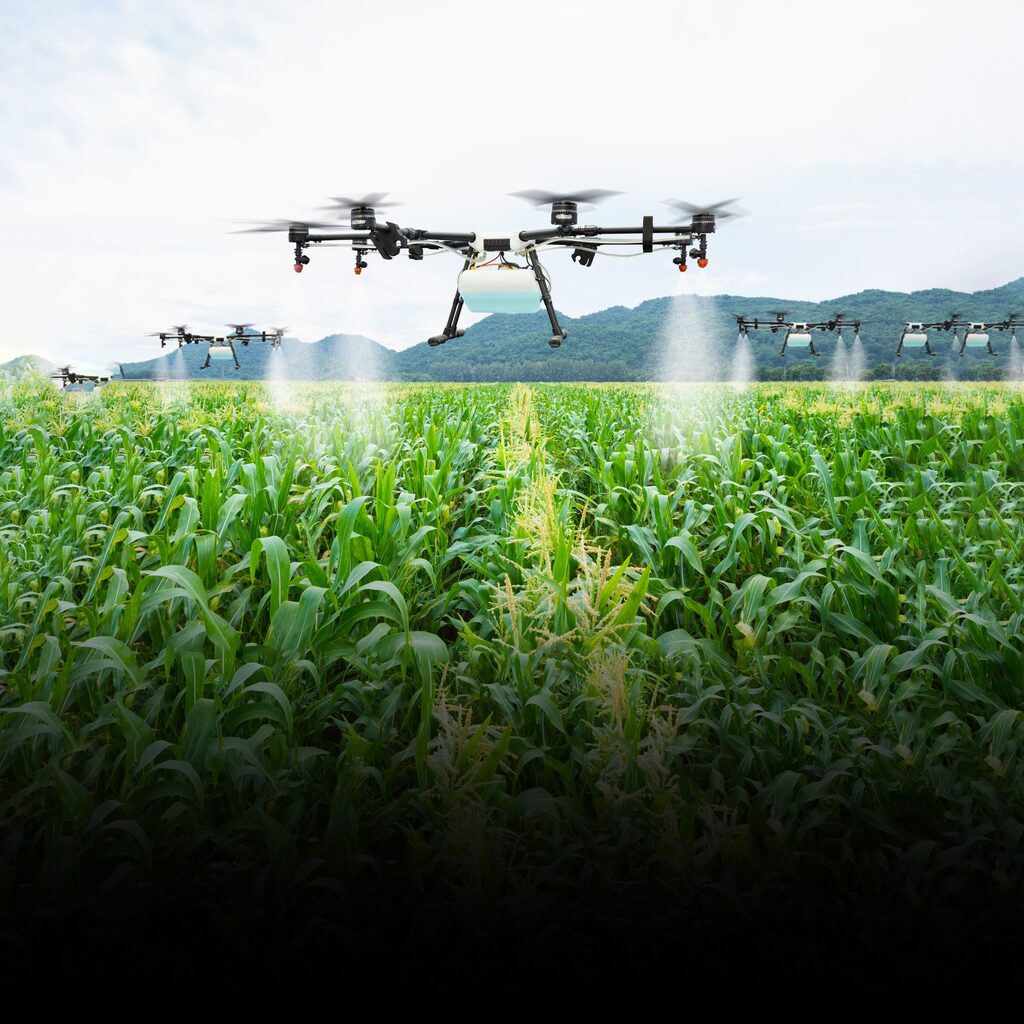
An agricultural drone is an unmanned aerial vehicle used in agriculture operations, mostly in yield optimization and in monitoring crop growth and crop production. Agricultural drones provide information on crop growth stages, crop health, and soil variations.
Drones, also called Unmanned Aerial Vehicles (UAV), have witnessed a remarkable development in recent decades. In agriculture, they have changed farming practices by offering farmers substantial cost savings, increased operational efficiency, and better profitability. Over the past decades, the topic of agricultural drones has attracted remarkable academic attention. We therefore conduct a comprehensive review based on bibliometrics to summarize and structure existing academic literature and reveal current research trends and hotspots. We apply bibliometric techniques and analyze the literature surrounding agricultural drones to summarize and assess previous research. Our analysis indicates that remote sensing, precision agriculture, deep learning, machine learning, and the Internet of Things are critical topics related to agricultural drones. The co-citation analysis reveals six broad research clusters in the literature. This study is one of the first attempts to summarize drone research in agriculture and suggest future research directions.
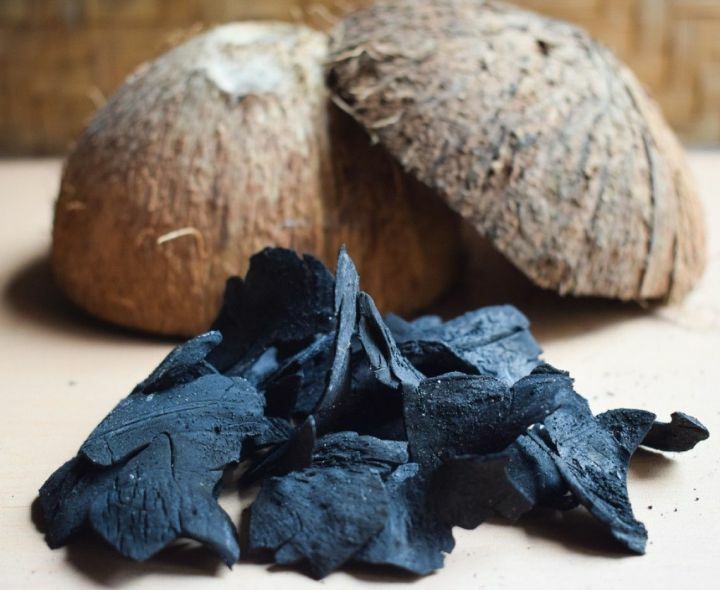
Carbon 24- Coconut Charcoal
As the world's fossil fuel dependency have enabled these greenhouse gases to accumulate in the atmosphere at high levels, our present society has realized the actual need for the reduction of these emissions via the use of other forms of energy. Charcoal have long been an energy source predating back to ancient times.
The hard inner shell that houses the coconut kernel is yet another coconut-based ingredient that is used to manufacture a wide variety of products. It’s processed through “waste heat recovery” by Sri Lankan Coconut shell charcoal manufacturers to produce pure and clean charcoal.
Activated carbon, sometimes called activated charcoal, is a unique adsorbent highly valued for the extremely porous structure that allows it to effectively capture and hold material. The networks of pores in activated carbons are channels created within a rigid skeleton of disordered layers of carbon atoms, linked together by chemical bonds, stacked unevenly, creating a highly porous structure of nooks, crannies, cracks and crevices between the carbon layers.
Depending on the source material, and the processing methods used to produce activated carbon, the physical and chemical properties of the end product can differ significantly. This produces a matrix of possibilities for variation in commercially produced carbons, with hundreds of varieties available. Because of this, commercially produced activated carbons are highly specialized to achieve the best results for a given application.
Coconut shell charcoal is a valuable commodity produced from coconut shells. Sri Lanka is a leading producer and supplier of coconut shell charcoal.
Coconut Shell Charcoal is manufactured by carbonising raw coconut shells in a limited supply of air. Economical and eco-friendly, coconut shell charcoal is one of the cleanest and most favoured sources of developing activated carbon. Whereas other materials such as wood, coal, or other carbon-based sources are also suitable charcoal sources, the quality of coconut shell charcoal is far superior to
Minerals of Sri Lanka
Sri Lanka is a nation blessed with a range of nature’s priceless gifts. If we take stock of our blessings, we must count on tropical climes with sunlight throughout the year, good rainfall, fecund soils, wildlife, waterfalls, high biodiversity, gemstones, magnificent coastal belt, great seafood, a rainforest cover, and minerals among others.While most of these are glamorised and emphasised on nearly all the media available, Sri Lanka’s mineral riches, apart from its gemstones, are rarely spoken about outside the academic and expert circles.
Industrial minerals in Sri Lanka
Sri Lanka possesses an abundance of non-metallic mineral resources. As revealed from mineral investigations conducted by the Geological Survey and Mines Bureau, Sri Lanka’s mineral resource base consists primarily of industrial minerals. Of these industrial minerals, heavy minerals (mainly ilmenite, rutile, zircon) are amongst the most abundant minerals with significant economic potential found in Sri Lanka.
Graphite,Mineral Sands-Ilmenite, Rutile,Zircon,Vein Quartz,Feldspar,Clay,Kaolin,Apatite (Phosphate Rock),Silica Sand,Garnet Sand,Mica,Calcite,Dolomite
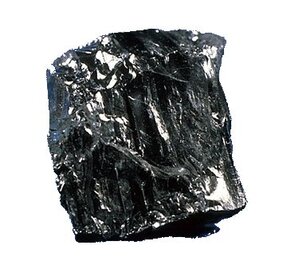
Ceylon Graphite
Sri Lanka possesses an abundance of non-metallic mineral resources. As revealed from mineral investigations conducted by the Geological Survey and Mines Bureau, Sri Lanka’s mineral resource base consists primarily of industrial minerals. Of these industrial minerals, heavy minerals (mainly ilmenite, rutile, zircon) are amongst the most abundant minerals with significant economic potential found in Sri Lanka.
The vein graphite mined in Sri Lanka boasts such purity that it is graded extremely high with over 90% carbon. Vein graphite is in great demand today for numerous industrial applications thanks to its unique composition. Ceylon Graphite is used in the manufacture of lubricants since it can withstand extreme pressure and high temperatures.
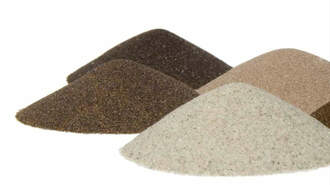
Mineral Sands
Mineral sand or what's known as 'Black gold' in popular parlance contains several valuable minerals. A best-known mineral sand deposit in Sri Lanka. The major minerals found in this deposit are Ilmenite and Rutile. Other associated minerals are Zircon, Monazite, Garnet, Sillimanite, and few other heavy minerals.
This is the only commercially exploited mineral sands deposit in Sri Lanka while several other mineral sand deposits are available as beach mineral sand deposits. All these Ilmenite rich beach mineral sand deposits are not hard to identify thanks to their unique black colour, which has earned them the name 'black gold' too.
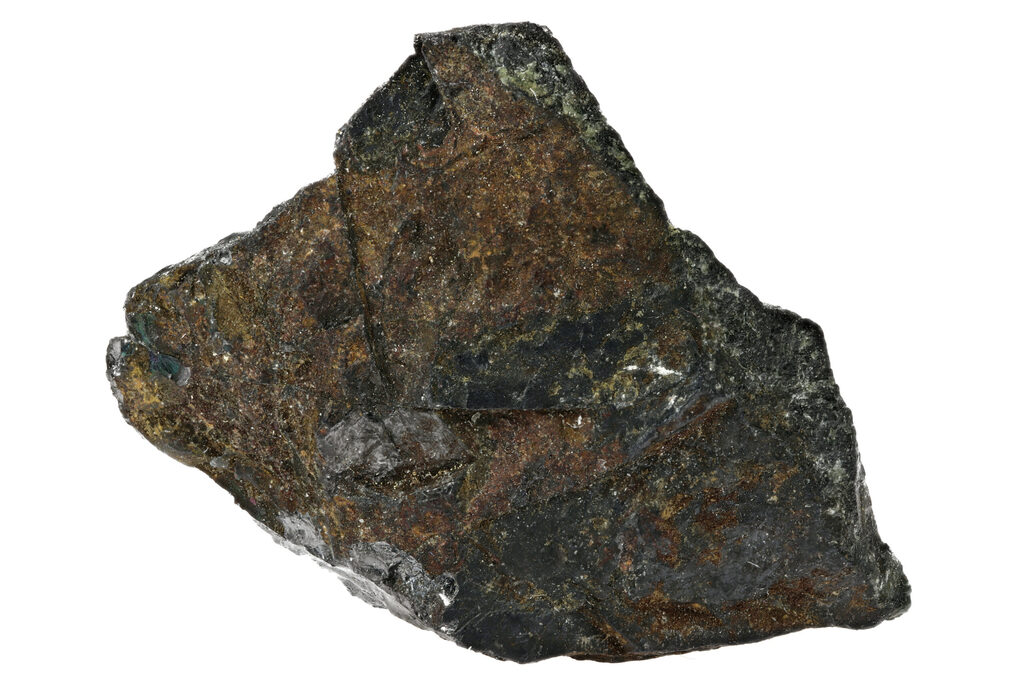
Ilmenite
Extracted from the mineral sand which is popularly called ‘black gold’, Ilmenite is one of the major industrial minerals produced in Sri Lanka for export. The mineral content extracted from beach sand at Pulmoddai is as high as 90% and 70% out of which is Ilmenite. Ilmenite and Rutile are mainly used for the production of Titanium Dioxide, a raw material required for the productions of paints, plastic, and paper industries. They’re also used in the production of Titanium metal which is as strong as steel but only half as heavy and can withstand such high temperatures as up to 1000°F. It’s also found to be highly resistant to corrosion. Thus, titanium metal is used as a raw material in the manufacture of aircraft.
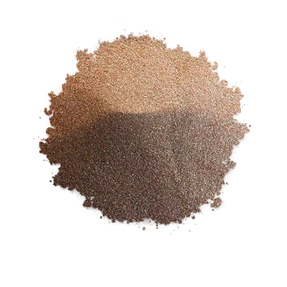
Rutile
The possibility of Rutile found in the same mineral sands where Ilmenite is found is around 8%. The combination of Ilmenite and Rutile is used for producing both Titanium Dioxide and Titanium metal, a raw material used in the manufacture of aircraft. That apart, Rutile is its raw form and is used for manufacturing welding rods
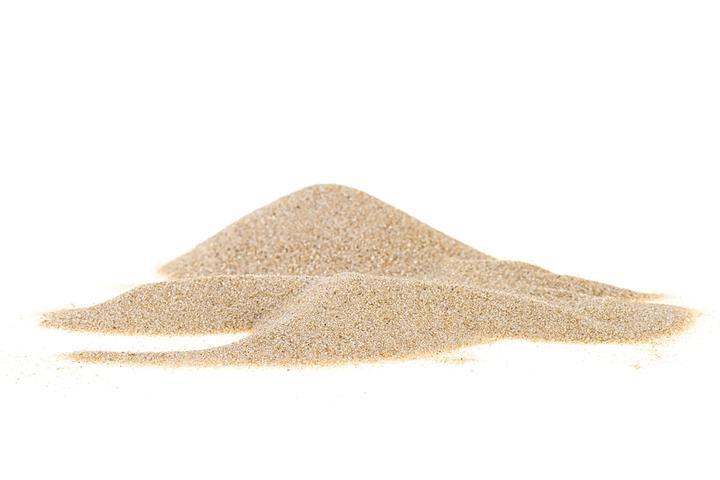
Zircon
Just like Ilmenite and Rutile, Zircon too is produced from the same mineral sand where its composition is measured around 9%. Zircon helps to make a glossy and excellent finish for porcelain goods, sanitary ware, and wall & floor tiles. Zircon is used in foundries and furnaces as it can withstand high temperatures.
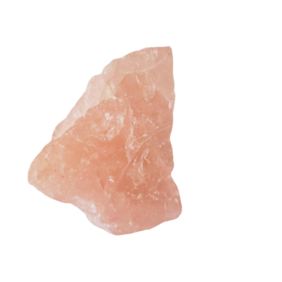
Quartz
Vein quartz is yet another valuable mineral mined in Sri Lanka. The name vein quartz is derived from the fact that these quartz deposits are found in the form of a vein originated from igneous activities. Vein quartz deposits of high purity (over 98% Silica) are found in many areas of Sri Lanka.
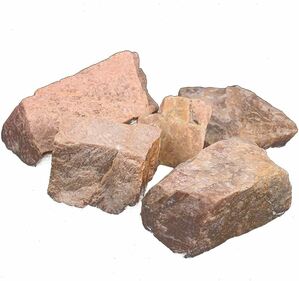
Feldspar
Feldspar is an aluminosilicate of potassium, sodium, and calcium, and occurs as a result of igneous activities as veins or dykes (also called pegmatites) Feldspar deposits are found in many areas of Sri This deposit is found more than 600m below the surface. Feldspar is one of the major raw materials used in the ceramic and glass industries.
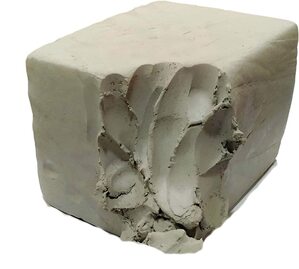
Clay
Clay is not a primary mineral and is a product of weathering of primary minerals. Chemically, it's hydrated aluminium silicate. Clays, characterised by fine grain, become plastic when mixed with water. Clay deposits are found in two basic types, namely,
a. Primary or residual or in-situ deposits.
b. Secondary or rudimentary clay deposits.
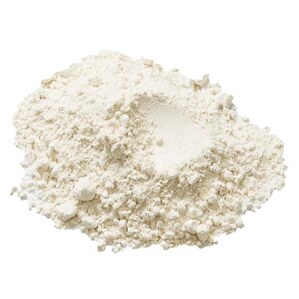
Kaolin
Kaolin (also known as China clay) consists mainly of Kaolinites. Kaolin deposits are formed by weathering of Feldspar. This kind of raw clay has to be refined to rid it of the other associated mineral particles (Silica, Ilmenite, etc) before it can be used in the Ceramic industry
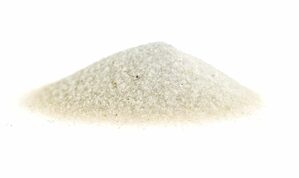
Silica Sand
Silica sand falls into three categories: river sand, sea sand, and industrial sand. River sand is a material derived from weathered rock and transported by running water. River sand, if not excavated, will be carried to the sea, and accumulated in shallow sea and beach.
White colour high purity (over 98% SiO2) Silica sand deposits are found In Sri Lanka.
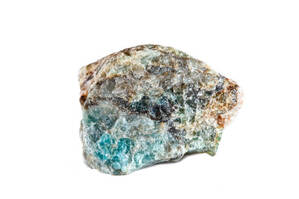
Apatite
Also known as rock phosphate, Apatite is composed of Fluorine, Chlorine and Hydroxide. Rock phosphate is commercially used as a fertilizer to provide Phosphorus (P) to plants as it is a major nutrient required for their growth. The rock phosphate deposit in Sri Lanka .This deposit covers an area of over 7.5 km2 and the estimated quantity is over 50 million tons. Powdered rock phosphate is used as a fertilizer for long term crops like Tea, Coconut, and Rubber etc.
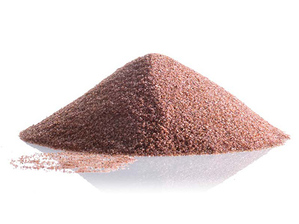
Garnet Sand
Garnet sand is yet another valuable mineral found in Sri Lanka. It has a wide range of applications in the mineral industry, mainly as an abrasive. The demand for garnet sand has been steadily on the rise during the recent past. Industrial quality garnet can be recovered from beach sand deposits and crushing and processing of garnet rich rocks
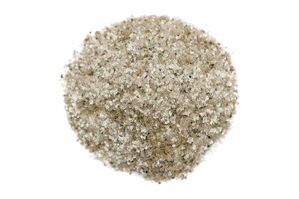
Mica
Mica is a group of minerals of hydrated aluminosilicate of Iron (Fe), Magnesium (Mg), Potassium (K), Sodium (Na) etc. It could be easily identified by its unique flaky structure. The most common types of mica in Sri Lanka are phlogopite, which is Mica rich in Magnesium and biotite, Mica rich in iron. Muscovite, a Mica variety with high levels of potassium
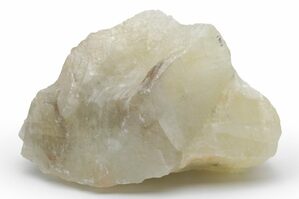
Calcite
Mined in the crystalline limestone deposits where Dolomite and Magnesite are also found, Calcite is occasionally found as pockets within Dolomite and Dolomitic limestone.
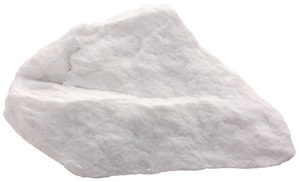
Dolomite
Dolomite is a combination of Calcium Carbonate and Magnesium Carbonate. Crystalline limestone deposits- which contain Dolomite, Calcite, Magnesite and Dolomitic limestone.
The dolomitic limestone is the most abundant type of material found in these deposits. It is mined and powdered as a fertilizer to provide Magnesium for plants. This powdered material is also used to stabilize the soil and to adjust the pH value of soil.
.
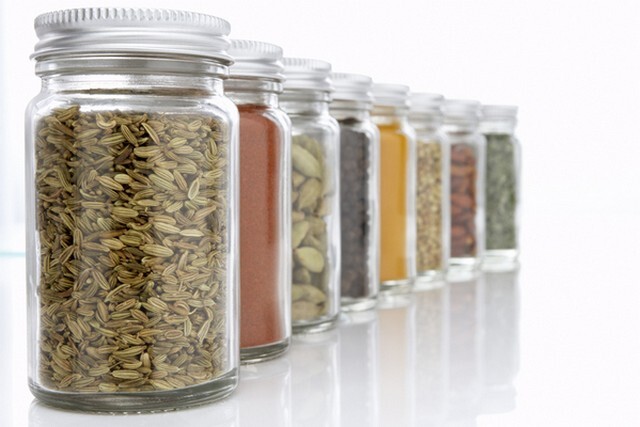
aSpices are aromatic flavorings from seeds, fruits, bark, rhizomes, and other plant parts. Used in to season and preserve food, and as medicines, dyes, and perfumes, spices have been highly valued as trade goods for thousands of years—the word spice comes from the Latin species, which means merchandise, or wares.
They’re sold in dried form, but that doesn’t mean spices last indefinitely; their strong flavors will dissipate over time, especially if exposed to light and air.
Humankind has been using spices in cooking since ancient times. It is thought that the oldest spices used to prepare food were cinnamon and black pepper. When merchants started traveling to distant lands, they took local spices with them and returned with new and unusual spices. Spices such as nutmeg, cloves, ginger, cumin, and pepper were some of the most commonly traded spices in the world.
Herbs are typically derived from the leafy green parts of a plant and can be used fresh or dried. Examples of herbs include parsley, basil, and thyme. Spices, on the other hand, are obtained from roots, bark, seeds, or fruits of plants, like cinnamon (bark), black pepper (fruit), and ginger (root).
List of Spices
Types of spices can be categorized by the part of the plant they are from, the kind of flavor, or by the spice mixture. For example, Cajun spice, curry spice, jerk spice, and garam masala are all spice combinations using several spices.
Here is the list of some spices grouped by their flavors
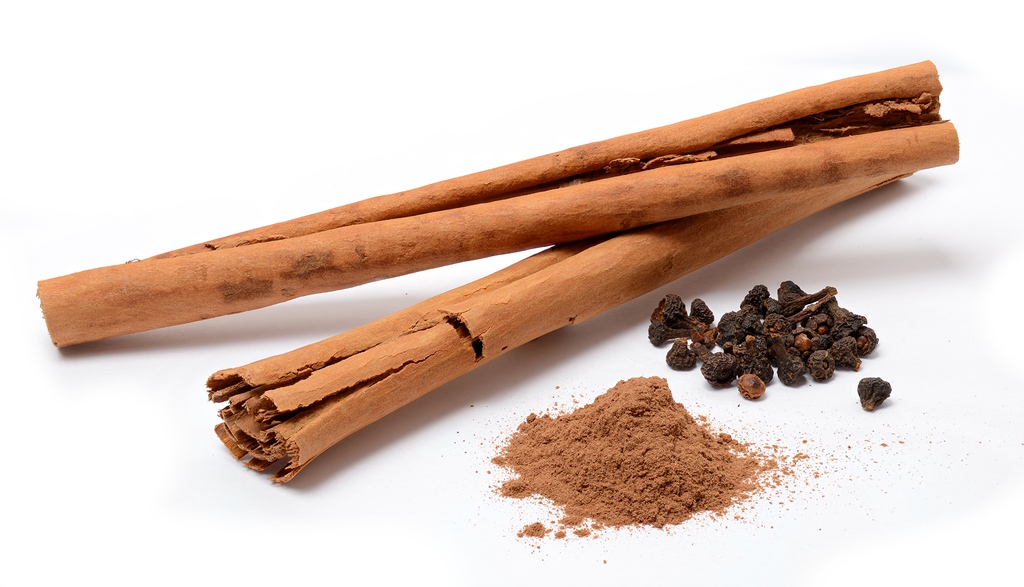
Cinnamon
Cinnamon is a spice obtained from the inner bark of several tree species from the genus Cinnamomum. Cinnamon is used mainly as an aromatic condiment and flavouring additive in a wide variety of cuisines, sweet and savoury dishes, breakfast cereals, snack foods, bagels, teas, hot chocolate and traditional foods.
Cinnamon was one of the first traded spices of the ancient world. Cinnamon was a popular spice in the ancient Arab world and Arab traders have paved the way for Cinnamon to travel a long distance through the spice route to the Europen market. Cinnamon has motivated many historical voyages leading to discovery of New World by Christopher Columbus and Vasco De Gamma to Sri Lanka & South India.
Ceylon Cinnamon (Cinamomum Zylanicum) a plant indigenous to Sri Lanka is a moderately size bushy ever green tree. Cinnamon grown and produced in Sri Lanka has acquired long standing reputation in the international market due to its unique, quality, colour, flavour and aroma. The name Ceylon Cinnamon derived from the former name of Sri Lanka is a very established geographical indication for Cinnamon.
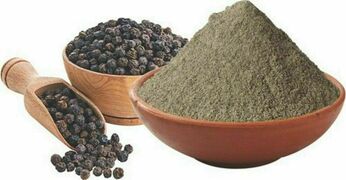
Sri Lankan Black Pepper
Black pepper (Piper nigrum) is a flowering vine in the family Piperaceae, cultivated for its fruit (the peppercorn), which is usually dried and used as a spice and seasoning. The fruit is a drupe (stonefruit) which is about 5 mm (0.20 in) in diameter (fresh and fully mature), dark red, and contains a stone which encloses a single pepper seed.
Ceylon Pepper is particularly favoured worldwide as it is quite rich in piperine, the alkaloid which lends it a distinct pungency. As a result, Ceylon Pepper from Sri Lanka fetches a premium price in the international spice market. Black pepper is widely used as a ‘hot’ cooking spice and seasoning.
The taste of Sri Lankan black pepper is richly aromatic, with floral and citrus notes, while retaining a strong pungency. Extracts of black pepper - Piperine, oleoresin and essential oil- are also extracted from the whole drupes, and have applications as both spice and flavouring agents in the food industry, and also major industrial applications in the perfumery and the pharmaceutical industry.
Depending on the time of harvest and the post-harvest process, there can be different types of pepper: green pepper, black pepper, red pepper and white pepper.
Black Pepper Cultivation in Sri Lanka
In Sri Lanka, pepper or the woody perennial evergreen climbing vine, Piper nigrum, is cultivated over an area of 32,800 hectares and majorly in the districts of Matale, Kandy, Kegalle, and Kurunegala where it’s grown either as a mono-crop or a mixed crop in coconut and tea plantations using live or dead stands as support. It’s also ideal for home gardens.
Today, pure origin pepper enjoys a huge demand internationally, and the public is keener to discover spices that originate from a specific “terroir” just like wines. Ceylon Pepper is mainly exported to India, Germany and the USA and enjoys a growing demand from Australia and Canada

Sapphire
Many individuals quickly visualize a stunning violet-blue gemstone when hearing "Sapphire," Greek for blue. For centuries, the sapphire has been described as the supreme blue gemstone because it guarantees sincerity, commitment, purity, and dependability. To keep with this practice, Sapphires are one of the most popular involvement gems today. Sapphire is the birthstone of September.
Sapphires are not just blue; they are available in virtually every rainbow color: pink, yellow, orange, peach, and violet. The most desired color for the expensive Sapphire engagement ring is the beautiful and rare Padparadscha: a pink-orange corundum with a distinctive salmon color reminiscent of an exotic sunset. These ultra-rare, ultra-expensive stones are among the most sought-after gems worldwide.
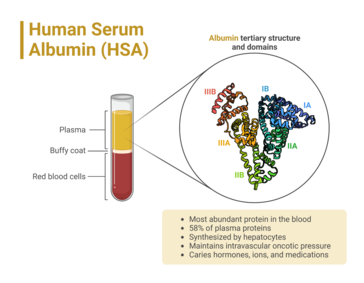
Pharmaceuticals
**Human albumin** is a vital protein primarily produced by the liver and plays a crucial role in maintaining fluid balance within the body. It circulates in plasma, the clear liquid component of blood, and is essential for various physiological functions.
**Medicinal albumin** is derived from human plasma proteins and is commonly used in clinical settings to restore blood volume and protein levels. It is particularly beneficial in treating conditions such as **hypovolemia** (low blood volume), **liver disease**, and **kidney disorders**. By increasing plasma volume, albumin helps stabilize blood pressure and improve circulation, making it a critical component in emergency and intensive care medicine.
Albumin therapy is frequently administered to manage blood loss caused by **severe burns, major injuries, or surgical procedures**. Additionally, it is used to correct low albumin levels associated with **dialysis, abdominal infections, liver failure, pancreatitis, respiratory distress syndrome, and complications from fertility treatments**. Its broad range of applications makes it an essential therapeutic agent in modern medicine.
The definition of real estate is the transactional sale or acquisition of real property, which not only includes the land itself but everything permanently attached to the land. This includes natural resources and improvements on the land like houses.
Furthermore, improvements on the property can include new or old structures, as long as the property is based on a piece of land.
We focus on prime properties in the Western Province ( Middle in Come Housing Projects -Foreign Funded – BOT Projects ) .
Corporate social responsibility (CSR) or corporate social impact is a form of international private business self-regulation[1] which aims to contribute to societal goals of a philanthropic, activist, or charitable nature by engaging in, with, or supporting professional service volunteering through pro bono programs, community development, administering monetary grants to non-profit organizations for the public benefit, or to conduct ethically oriented business and investment.
Key Takeaways
Our company was incorporated in July 2022 in Sri Lanka during the civil unrest and economic turmoil and closure of the economy. We were engaged in Niche projects with few selected international and national clients.
On the onset as a corporate social responsibility project, we donated 56,000 Kg of rice after been imported from North India to the President Secretariate of Sri Lanka to be distributed amount the under privillaged in societies in Sri Lanka.
We are in the business of corporate consulting, Artificial Intelligence based surveillance, Information Technology, Project Implementation, None lethal Defense supplies- Drones, Scanners, Analytics, Value addition on Graphite, Phosphates, Iron Ore Mines, Steel and Stainless-Steel Rolling Mill, business in Exports, Electrical Prime Movers, and Market Research for various domestic and international corporates and international organizations. We work closely with many Governments of Sri Lanka ministries and departments.
We are representing many foreign companies. few companies we are unable disclose some companies since, we have signed Non-Circumvention, Non-Disclosure Agreement (NCNDA).
Our Senior Management Team’s consist of Retired Government Servants; in rank of Cabinet Ministers, Real Admirals, Air Vice Marshals, Ministry Secretaries and many professionals with academic and professional qualifications.
Chairman cum Managing Director
Chanaka Gunathunga
Qualifications: MBA (PIM-USJ), PODIN, PODIL, POPIA-AMA(USA), GMIMA, B.Com
Former Portfolio’s: Specialist SME Reform and Communication Specialist - World Bank; Regional Head - ALUK; Director - President Secretariat; National Coordinator Cum Communications Specialist - UNDP
Deputy Chairman
Mr. R.P.L. Wearasinghe
Qualifications: Chartered Tax Consultant, B.Sc.
Former Portfolio’s: Commissioner General, Inland Revenue Department, Government of Sri Lanka; Tax Consultant, Government of Sri Lanka
Director – Engineering, Administration & HR
Mr. S.G.A.R.K.R. Seneviratne
Qualifications: M.Sc (Netherland),
B.Sc (Civil Engineering), UM, MESL
Former Portfolio’s: Additional Secretary
(Technical) Ministry of Defence
Director- Information Technology
Mr. T.W. Ahangama
Qualifications: MSc, BSc, Certified FortiGate (USA)
Director- Marketing
Mr. C.M. Bandara
Qualifications: CA-SL
Director- Finance
Mr. L. Rajapakse
Qualifications: CA,CIMA
Non-Executive Director-Hospitality
Mr. Sujeewa Athukorala
Qualifications: CMA, B.Sc (Hospitality),
B.Sc (Psychology)
Consultant
Consultant-Petroleum
Consultant- Artificial Intelligence Surveillance
Consultant- Logistics
Consultant-Electric Heavy Vehicles
Consultant
Mr. M. Beohar (India)
Qualifications: IIT
Consultant-Risk Management Practice
Mr. I. Dhar (Romania)